As an occupational therapist working closely with elderly individuals, stroke survivors, and clients managing dysphagia (swallowing difficulties), choking risk is a concern I address every single day. A routine family dinner can quickly turn into a life-threatening crisis when muscle weakness, neurological impairments, or reduced coordination prevent proper chewing and swallowing. While traditional first-aid protocols like back blows and abdominal thrusts are essential skills, they require physical strength, correct positioning, and can sometimes lead to secondary injuries such as internal bruising or fractured ribs. That is why I am always searching for reliable, non-invasive tools that families, caregivers, and patients can rely on with total confidence. Recently, I had the opportunity to hands-on test the ResQVac Anti-Choking Device, and I want to share my detailed clinical and practical perspective.
When evaluating medical and home safety tools, I look far beyond marketing claims. I carefully examine material quality, mechanical reliability, ease of operation under stress, and ergonomic accessibility. After spending time inspecting every part of the ResQVac unit and putting it through simulated emergency drills, I have been thoroughly impressed by its thoughtful design and real-world functionality.
Unboxing and Structural Design
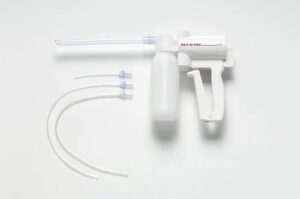
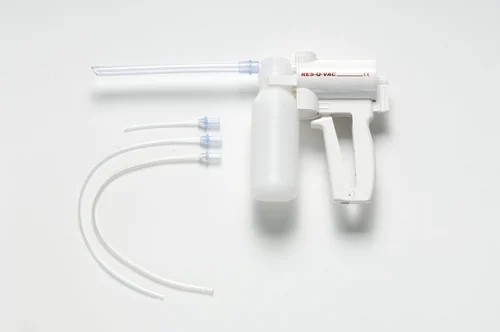
Right out of the package, the ResQVac feels robust, well-constructed, and clearly designed for medical-grade reliability. The complete kit includes the primary manual suction unit along with two interchangeable silicone masks: a larger mask sized for adults and seniors, and a smaller mask scaled for pediatric use. From an occupational therapy viewpoint, mask quality is critical because achieving a secure seal over the mouth and nose is the key to creating effective suction.
The silicone edges on both masks are soft, flexible, and contour easily around various facial shapes, including patients with sunken cheeks or facial muscle asymmetry. The main body of the unit features a transparent suction chamber. This visual window is a vital safety feature: during an emergency, being able to instantly see that an obstruction has been drawn out into the chamber gives the caregiver immediate confirmation without guessing.
How the ResQVac Works: Practical Hands-On Testing
The core concept behind the ResQVac is refreshingly straightforward: Place, Push, Pull. It relies entirely on manual mechanics, meaning there are no batteries to recharge, no power cords to unravel, and no electrical components that could fail after sitting in a pantry for months. During my testing process, I paid special attention to two main factors: generating strong negative suction and ensuring safety during the downward stroke.
The One-Way Safety Valve System
The mechanical highlight of the ResQVac is its built-in one-way safety valve. When you press the plunger handle down, air vents harmlessly outward through dedicated side ports rather than blowing downward through the mask. This ensures that you will never inadvertently push a piece of food or foreign object deeper into the windpipe. Once the handle is depressed and you pull back up, the cylinder creates a swift, high-power suction force that lifts the blockage out of the respiratory tract.
In mock testing setups using practice mannequins, the vacuum generated on the upward pull was rapid and powerful. It dislodged simulated blockages smoothly without requiring intense physical exertion from the operator.
Clinical Advantages for Caregivers and Families
What sets the ResQVac apart in my professional practice are several design choices that solve common real-world challenges:
Non-Invasive Airway Clearance: Standard abdominal thrusts carry a genuine risk of soft-tissue damage or rib fractures, particularly in frail elderly adults or young children. The ResQVac applies gentle, external negative pressure without blunt force to the abdomen or throat.
Self-Rescue Capability: Choking doesn’t always happen when someone else is in the room. For individuals living independently, a choking episode can be terrifying. The balanced, ergonomic frame of the ResQVac allows a person to place the mask over their own face and pull the handle to execute self-rescue if they are alone.
Accessibility for Seated or Bedridden Patients: Administering Heimlich maneuvers on a wheelchair user or someone lying in bed can be physically challenging or impossible without repositioning them. The ResQVac functions effectively regardless of whether the person is standing, seated, or lying down.
Final Verdict
Choking incidents happen within seconds, and panic often makes complex physical maneuvers hard to carry out properly. Having an intuitive, highly effective manual suction tool ready in your home, vehicle, or care facility bridges the critical gap between emergency and rescue. The durable construction, smart safety valve, and effortless operation provide immense clinical value.
In my professional opinion as an occupational therapist, the ResQVac is worth buying. Whether you are caring for an aging parent, raising young children, or simply building a comprehensive home first-aid kit, this device is a proactive investment that offers true peace of mind when seconds count most.
Where to Buy ResQVac
Having a dependable manual suction unit on hand can make all the difference during acute choking incidents. To buy your authentic rescue system directly with full product guarantees, make your purchase on the official website for ResQVac. Direct ordering ensures you avoid counterfeit items and receive genuine equipment with clear operational instructions.