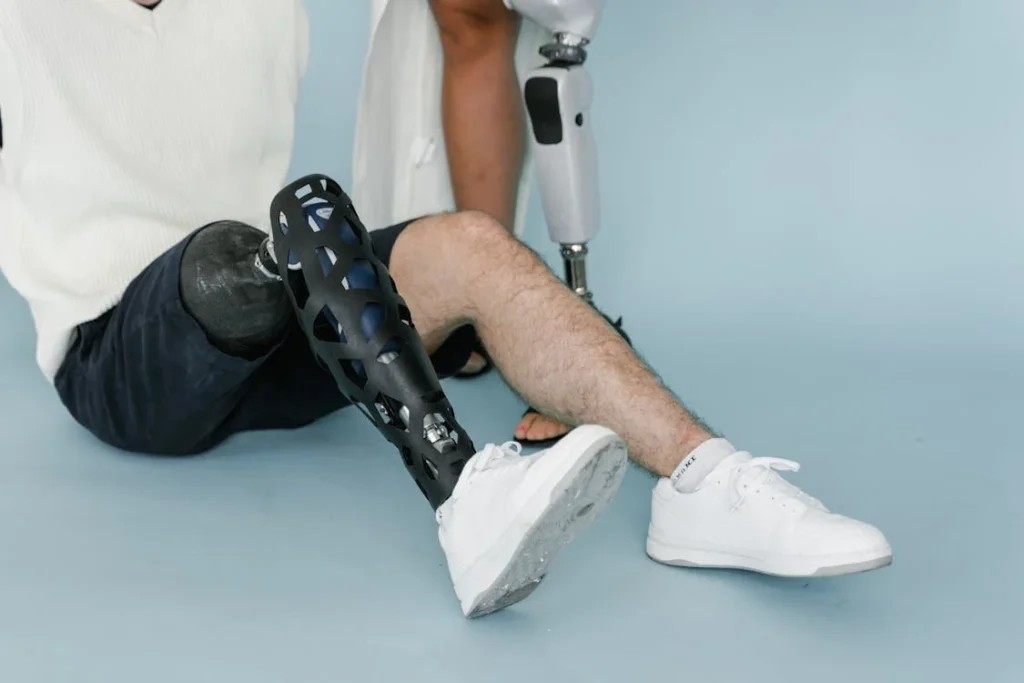
A person’s attitude to daily tasks, such as walking about the home, traveling, working, and attending social gatherings, might be altered by losing a limb. However, new options to restore mobility and confidently handle everyday activities have been made possible by advances in prosthetic technology. Contemporary prosthetic limbs are designed to enhance comfort, promote natural mobility, and assist users in leading active lives.
Modern prosthetics take into account each person’s unique movement patterns, physical needs, and personal objectives, in contrast to older artificial limbs that often concentrated only on fundamental functioning. Because of these advancements, prosthetic care is now a crucial component of long-term independence and rehabilitation.
Customized Prosthetic Options For Specific Requirements
Since each individual experiences limb loss in a unique way, customized prosthetic care is crucial. The kind of prosthetic limb that could be appropriate depends on a number of factors, including the degree of amputation, physical condition, lifestyle, and mobility expectations.
These needs may be met by customizing contemporary prosthetic systems. A person who often engages in leisure activities could need different characteristics than someone who spends a lot of time standing at work. In a similar vein, people who wear upper limb prostheses could prioritize handling domestic tasks, grasping objects, or carrying out certain job duties.
Successful prosthetic usage also heavily depends on proper fitting. A well-designed socket facilitates the appropriate distribution of pressure and provides a secure connection between the prosthetic device and the residual limb. Regular adjustments may be necessary as the body changes over time.
Cutting-Edge Technology Encouraging Natural Motion
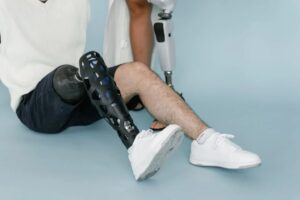
The functioning of prosthetic limbs has been greatly enhanced by technological advancements. Contemporary prosthetic legs may have sensitive ankle components, sophisticated knee joints, and lightweight materials that provide more seamless movement on various surfaces.
For example, sensors are used by microprocessor-controlled prosthetic knees to track movement and modify resistance while walking. With better stability, these characteristics may assist appropriate users in navigating variations in walking pace and specific environmental situations.
Advances in technology have also aided upper limb prostheses. Certain myoelectric devices transform electrical impulses produced by muscles into motions of the prosthetic arm or hand.
For anyone interested in investigating prosthetic alternatives and learning more about available possibilities, resources like https://www.limbplastx.com might be a good place to start. Comprehending various technologies enables people to formulate well-informed inquiries for trained prosthetic specialists.
Regaining Self-Assurance Through Routine Activities
It takes more than just learning to walk or use a prosthetic hand to regain independence. It involves gaining the self-assurance to do routine chores without always needing help.
With the right equipment and training, lower limb prosthesis users may eventually find it easier to do tasks like going outside, shopping, climbing stairs, and commuting. Prosthetics for the upper limbs may help with activities like cooking, transporting items, and engaging in work-related activities.
Consistent practice, reasonable expectations, and expert advice are often necessary for progress. Even though contemporary gadgets have many benefits, people’s experiences may vary based on their physical capabilities, level of rehabilitation, and prosthetic needs.
Rehabilitation As The Basis For Self-Sufficiency
Improved mobility cannot be ensured by a prosthetic limb alone. Because users must learn to manage their gadgets, maintain balance, and develop movement methods appropriate for daily settings, rehabilitation is equally crucial.
Prosthetists and physical therapists often collaborate to create individualized rehabilitation plans. Strengthening exercises, walking drills, coordination training, and advice on maintaining prosthetic equipment are some examples of these programs.
Attention should also be paid to emotional adjustment. People may approach rehabilitation with patience and reasonable objectives if they get encouragement from family members, medical experts, and support groups.
Conclusion
People who have lost a limb now have more options thanks to modern prosthetic limbs. These gadgets may facilitate increased mobility and engagement in daily life via customized fitting, better materials, responsive technology, and organized rehabilitation.
Restoring physical mobility is not the only objective of prosthetic care. It entails assisting people in gaining self-assurance, maintaining significant routines, and pursuing more independence in accordance with their specific capacities and goals.