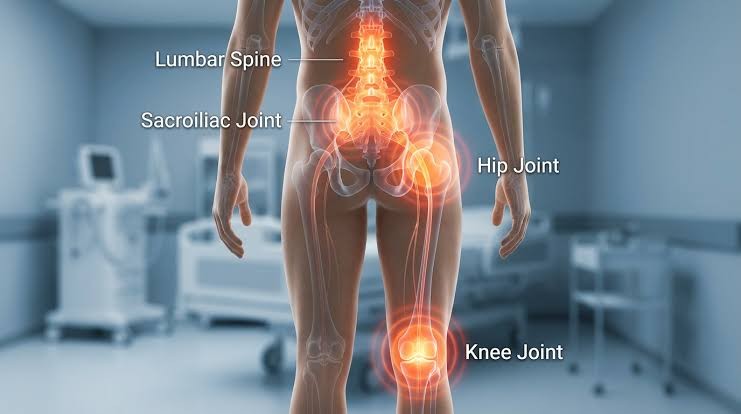
As a professional commercial and portrait photographer, my daily work routine is far more physically demanding than most people realize. Between hauling heavy camera bags loaded with camera bodies, prime lenses, tripod gear, and portable lighting equipment, crouching in awkward angles to capture dramatic perspectives, and standing on hard floors for ten hours straight during all-day shoot sessions, my lower back takes a severe beating. Add to that the endless hours spent hunching over my studio desk editing high-resolution RAW files on my laptop, and lumbar compression had become an agonizing fixture of my life. Over the years, I have tried daily stretches, foam rollers, and sporadic massage visits, but finding an accessible, consistent, and effective solution for daily post-shoot back recovery was a constant challenge. That was until I decided to order and thoroughly test the Back Restore lumbar therapy device.
When I first came across Back Restore online, I was immediately drawn to its promise of combining motorized dynamic spinal traction, deep thermal heat, and high-frequency vibration massage into a single, compact at-home unit. Given how much energy and productivity I lose to lower back stiffness after a demanding shoot, I was eager to put this device through a comprehensive hands-on test. After using Back Restore regularly over the past several weeks following intense photography sessions, I can confidently share my detailed experience with this innovative lumbar therapy cushion.
Design, Build Quality, and Initial Impressions
When the Back Restore arrived at my studio, my initial reaction was how lightweight and portable the unit felt compared to bulky inversion tables or heavy massage cushions. The device features an ergonomic contoured curve engineered to mirror the natural inward arch of the human lumbar spine. The materials feel solid, well-crafted, and purpose-built, giving me complete confidence that it could comfortably support my weight when lying down.
Setting up the device proved to be completely effortless. There are no complicated straps, awkward harness systems, or tedious assembly instructions to decipher. It plugs directly into a standard wall outlet, and all functions are controlled through an easy-to-read handheld remote control. The center contour of the device features targeted contact nodes that provide structured support to the muscles along the lumbar region while the internal therapeutic mechanisms go to work.
Understanding the Triple-Action Lumbar Therapy System
What makes Back Restore unique compared to standard heating pads or basic vibrating pillows is its synchronized triple-action therapy cycle. To understand why it felt so effective during my post-shoot recovery routines, I looked closely at how its three core components function together:
Motorized Dynamic Decompression Traction
The centerpiece of Back Restore is its internal motorized lifting mechanism. When activated, the device gently elevates and arches the lower back, stretching compressed vertebrae and expanding restricted intervertebral disc spaces. For a photographer who spends hours carrying heavy camera gear, this gentle decompression feels like releasing a high-pressure valve right in the lumbar spine.
Deep-Penetrating Thermal Therapy
The integrated heat technology delivers continuous, calibrated warmth deep into tight spinal muscle tissue. Thermal therapy is essential for promoting local blood circulation, accelerating tissue relaxation, and loosening rigid back muscles so they can stretch safely and comfortably during the traction cycles.
High-Frequency Vibration Massage
Complementing the traction and heat functions, Back Restore incorporates acoustic vibration massage. High-frequency oscillations target deep muscle knots and calm hyperactive spinal nerve signals. This component helps dissolve stubborn muscle spasms along the lower back brought on by long hours of sitting in an editing chair.
My Real-World Experience Testing Back Restore
I structured my testing routine by using Back Restore for 15 to 20 minutes every evening, particularly after heavy photo shoots or marathon photo editing sessions. The daily procedure was simple: I laid a yoga mat on my studio floor, placed the Back Restore cushion underneath my lower back so my spine rested neatly over the contoured center, and powered up the unit using the handheld controller.
During the first few minutes of a session, the deep-penetrating warmth begins to soak into the lumbar region, instantly loosening up tight, exhausted muscle fibers. As the motorized traction kicks in, the internal lift mechanism smoothly elevates my lower back upward, creating a rhythmic arching motion before slowly easing down. The sensation is exceptionally soothing—you can physically feel the compressed spaces in your lower back gently opening up without any jarring or forced strain. Simultaneously, the high-frequency vibration sends relaxing pulse waves through the lower back, working out deep muscular tension.
Once the 15-minute automated session concludes, I gently roll onto my side and stand up feeling noticeably lighter, flexible, and refreshed. The typical compressed, rigid sensation in my lumbar spine is dramatically reduced, and the nagging ache after standing for hours with heavy gear on my shoulders is virtually gone. Over weeks of consistent use, my overall lower back mobility and standing posture have improved tremendously.
Key Advantages for Busy Photographers and Active Professionals
There are several distinct reasons why Back Restore stands out as an effective daily recovery tool for anyone dealing with physically demanding routines or desk strain:
First, the sheer convenience of home-based therapy is unmatched. Being able to access dynamic decompression, therapeutic warmth, and vibration massage on demand eliminates the need to spend time commuting to frequent clinic appointments or booking costly massage sessions around an unpredictable work schedule.
Second, the handheld remote control allows for complete personal customization. You can easily adjust the traction height, heat levels, and vibration settings independently to match your body’s specific comfort level on any given day.
Third, its compact footprint makes it simple to store and transport. I can effortlessly store it under my editing desk, keep it beside my bed, or pack it into my equipment vehicle when traveling for multi-day photography assignments on location.
Final Verdict: Is Back Restore Worth Buying?
After putting this lumbar therapy device through extensive hands-on testing following long shoot days behind the lens and late nights at the editing desk, my verdict is resounding. Back Restore truly delivers on its promises by offering an effective, non-invasive, and convenient solution for spinal decompression, muscle relaxation, and lower back tension relief.
If you suffer from lower back stiffness, muscle knots, or lumbar strain caused by heavy lifting, standing all day, or sitting at a computer desk, this device provides clinic-level comfort right in your living room. Dedicating just 15 minutes a day to unwind on this ergonomic cushion has restored my spinal mobility and kept me moving pain-free throughout my demanding creative work. Without a doubt, Back Restore is worth buying for anyone looking to invest in reliable, long-term lower back relief and overall physical well-being.
Where to Buy Back Restore
To avoid order delays and unverified third-party markups, buying straight from the verified seller is always recommended. Navigate to the official Back Restore online shop where you can easily submit your order, track shipping progress in real time, and enjoy the peace of mind that comes with original product warranties.