Key Takeaways
- Traditional Chinese Medicine views fertility as a whole-body concern rather than a single reproductive issue.
- Treatment often focuses on restoring balance, regulating cycles, and supporting emotional well-being.
- Approaches are personalised, combining herbs, acupuncture, and lifestyle guidance.
- Many Singaporeans explore TCM alongside conventional care for a more rounded fertility journey.
Fertility challenges can feel deeply personal, confusing, and sometimes overwhelming. In Singapore, where modern healthcare sits comfortably alongside time-tested traditions, many couples look beyond conventional routes. Traditional Chinese Medicine, or TCM, often enters the conversation quietly, through a recommendation from a friend or a late-night search. The question usually follows soon after. How does TCM actually fix fertility issues, and does it make sense in a modern context?
A Different Way Of Looking At Fertility
TCM does not treat fertility as an isolated condition. Instead, it considers the body as an interconnected system, where hormones, digestion, sleep, stress levels, and emotional health all play a role. From this perspective, irregular cycles, low energy, or chronic stress are not side notes. They are central clues. This whole-body view is a key reason why TCM for fertility continues to appeal to those who feel their concerns are more layered than a single diagnosis suggests.
The Role Of Balance And Internal Health
In TCM theory, fertility depends on the smooth flow of energy and blood, as well as the strength of core organ systems. When balance is disrupted, perhaps by long working hours, poor sleep, or ongoing anxiety, reproductive health may suffer. Practitioners often describe this like a garden. If the soil is depleted or water flow is uneven, growth struggles to occur. Addressing internal balance is therefore seen as essential groundwork, not an optional extra.
How Treatments Are Tailored
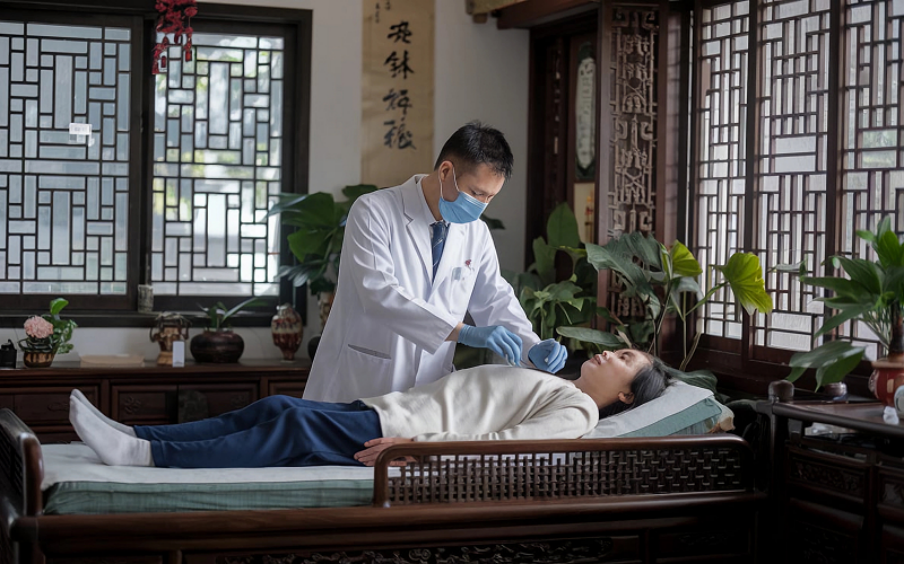
One reason people find TCM surprisingly personal is the nature of the consultation process. Two women with similar fertility challenges may receive very different treatment plans. Herbs are prescribed based on individual patterns, not labels. Acupuncture points are selected to support circulation, calm the nervous system, or regulate cycles. For those exploring TCM for women’s health in Singapore, this tailored approach often feels reassuring, even refreshing, compared to more standardised pathways.
Lifestyle Advice That Feels Practical
Treatment rarely stops at herbs or needles. Sleep habits, diet, exercise intensity, and stress management are all discussed, sometimes in very practical terms. A practitioner might suggest warming foods, gentler movement, or small changes to daily routines. These recommendations may sound simple, even old-fashioned, but they often address issues modern life quietly creates. Long commutes, constant screen time, and high-pressure jobs all leave a mark.
Emotional Wellbeing And Fertility
Here is where TCM sometimes surprises people. Emotional health is not treated as separate from physical outcomes. Anxiety, frustration, or prolonged disappointment are seen as factors that can affect internal balance. This does not mean emotions are blamed. Rather, they are acknowledged. Acupuncture sessions, in particular, are often described as calming, giving patients space to slow down. That sense of being looked after can matter more than expected.
Working Alongside Modern Medicine
TCM is not always positioned as a replacement for Western treatments. Many Singaporeans use it alongside medical interventions, seeing it as supportive rather than competing. This blended approach can help improve overall well-being while medical processes continue. For couples already navigating tests and appointments, TCM for fertility may feel like a way to regain some sense of control and care.
Conclusion
TCM approaches fertility by looking beyond symptoms and focusing on balance, resilience, and long-term health. It may not promise quick fixes, but it offers a thoughtful, personalised path that resonates with many. For those curious about complementary support, reaching out to a trusted provider of TCM for women’s health in Singapore could be a meaningful next step, and a conversation worth having. Contact 1TCM now to book an appointment.