Dentures are designed to restore comfort, function, and confidence — so when they start to feel loose, it can be frustrating, uncomfortable, and even a little worrying.
If you’ve noticed your dentures shifting, slipping, or not fitting as securely as they once did, you’re not alone. It’s one of the most common concerns among denture wearers — and importantly, it’s usually fixable.
So, why do dentures become loose, and what can you do about it? Let’s break it down.
Why Denture Fit Matters More Than You Think
A properly fitted best dentures Gold Coast should:
- Sit securely without constant movement
- Allow you to eat and speak comfortably
- Avoid causing sore spots or irritation
When dentures become loose, it can lead to:
- Difficulty chewing certain foods
- Changes in speech
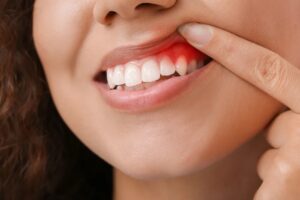
- Gum irritation or ulcers
- Loss of confidence in social situations
Over time, ignoring a poor fit can even contribute to further oral health issues.
Common Causes of Loose Dentures
There isn’t just one reason dentures loosen — it’s often a combination of natural changes and wear over time.
Natural Bone Shrinkage (Resorption)
This is the most common cause.
After teeth are removed, the jawbone no longer receives stimulation from tooth roots. As a result, it gradually shrinks — a process known as bone resorption.
What This Means:
- The shape of your gums and jaw changes
- Dentures that once fit perfectly begin to loosen
- Lower dentures are especially affected
This process is completely natural, but it does mean dentures need periodic adjustment.
Wear and Tear Over Time
Dentures are durable, but they’re not permanent.
Daily use — chewing, cleaning, and general wear — can gradually affect their shape and fit.
Signs of Wear:
- Flattened or worn-down teeth
- Slight warping of the denture base
- Reduced suction or grip
Even small changes can make a noticeable difference in how secure your dentures feel.
Changes in Gum Tissue
Your gum tissue can change due to:
- Weight loss or gain
- Ageing
- Medical conditions
These changes alter how dentures sit against your gums, often leading to looseness or discomfort.
Poor Initial Fit
In some cases, dentures may not have been perfectly fitted from the start.
This can result in:
- Uneven pressure points
- Movement while eating or speaking
- Ongoing discomfort
If your dentures have always felt a bit loose, it’s worth having them reassessed.
Adhesive Dependence
While denture adhesives can help improve stability, relying on them too heavily can mask underlying issues.
If you find yourself needing more adhesive over time, it’s usually a sign that your dentures need professional attention.
How to Tell If Your Dentures Need Adjustment
Some movement is normal — especially with lower dentures — but these signs indicate a problem:
- Dentures slipping when you talk or eat
- Clicking noises while speaking
- Sore spots or irritation
- Food getting trapped underneath
- Needing adhesive more frequently
If you’re experiencing any of the above, it’s time to explore solutions.
Professional Solutions for Loose Dentures
The good news? There are several effective ways to restore a secure, comfortable fit.
Denture Relining
Relining involves reshaping the underside of your denture to better match your current gum structure.
Benefits:
- Improves fit without replacing the denture
- Relatively quick and cost-effective
- Extends the life of your existing dentures
There are two main types:
- Soft reline:Uses a flexible material for added comfort
- Hard reline:Uses a more durable material for long-term results
Denture Adjustment
Sometimes, minor adjustments are all that’s needed.
A dental professional can:
- Smooth pressure points
- Improve balance and alignment
- Enhance overall comfort
This is often the first step before considering more involved treatments.
Denture Replacement
Dentures typically last 5–10 years.
If yours are older or significantly worn, replacement may be the best option.
New dentures can:
- Restore proper fit and function
- Improve appearance
- Feel more natural and secure
Implant-Supported Dentures
For a more permanent solution, implant-supported dentures are becoming increasingly popular.
How They Work:
- Dental implants are placed in the jawbone
- Dentures attach securely to the implants
Benefits:
- Significantly improved stability
- No slipping or movement
- Better chewing ability
- Helps preserve jawbone structure
While more of an investment, this option offers long-term comfort and confidence.
Can You Fix Loose Dentures at Home?
It might be tempting to try a quick fix — but most DIY solutions can do more harm than good.
Avoid:
- Adjusting dentures yourself
- Using household glues or adhesives
- Ignoring ongoing discomfort
Denture fit is precise, and improper fixes can damage the denture or your gums.
How to Keep Your Dentures Fitting Well
While some changes are unavoidable, there are steps you can take to maintain a better fit for longer:
- Attend regular dental check-ups
- Clean dentures properly to prevent buildup
- Handle them carefully to avoid warping
- Address discomfort early before it worsens
Staying proactive can help you avoid more significant issues down the track.
When Should You See a Professional?
If your dentures feel noticeably loose or uncomfortable, don’t wait.
Early intervention can:
- Prevent further irritation or damage
- Extend the life of your dentures
- Restore comfort quickly
Even if the issue seems minor, a professional assessment can make a big difference.
Final Thoughts
Loose dentures are a common issue — but they’re not something you have to live with.
In most cases, the cause is simply natural changes in your mouth over time. Whether it’s bone shrinkage, wear and tear, or shifting gum tissue, there are effective solutions available to restore a secure and comfortable fit.
The key is not to ignore the signs.
Well-fitting dentures should feel stable, comfortable, and natural — and if they don’t, it’s worth getting them checked.
With the right care and professional support, you can get back to eating, speaking, and smiling with confidence.