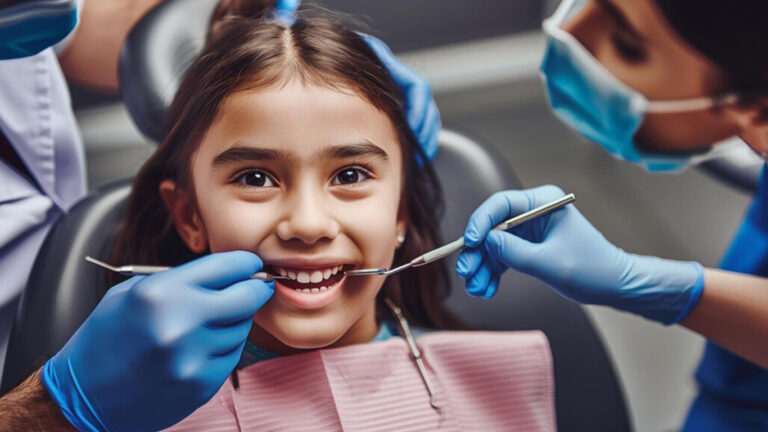
Deciding how to approach your child’s dental care involves weighing their unique comfort levels against the clinical requirements of various procedures. Whether you are navigating a first-time checkup or considering options for more involved dental work, the goal remains the same: ensuring a positive, stress-free experience that establishes a strong foundation for lifelong oral health. For families residing in this region, the options for pediatric dentistry in Damascus and Frederick offer various ways to support these needs, provided you understand the considerations involved.
The Role of Comfort and Cooperation in Dental Care
At the heart of pediatric care is the need to balance clinical necessity with a child’s natural apprehension. Children may feel nervous in a clinical environment for many reasons, including sensitivity to unfamiliar sounds, bright lights, or the simple anxiety of being in a new setting. A primary objective for any dental professional is to build rapport, as a child who feels safe and understood is much more likely to cooperate during examinations and procedures.
When children remain calm, the practitioner can work more efficiently and accurately. This is why many offices prioritize a child-friendly environment and use techniques designed to demystify the process. By explaining tools in non-intimidating ways and allowing children to become familiar with the surroundings before starting, providers can often help minimize fear. These early experiences are significant because they tend to shape how an individual perceives dental visits well into adulthood.
Understanding Clinical Approaches to Sedation
When dental work is more extensive or a child displays high levels of anxiety that prevent necessary treatment, practitioners may discuss the use of sedation. This is a common aspect of sedation dentistry in Damascus and Frederick designed to help patients remain relaxed or unaware during procedures.
Sedation generally ranges across a spectrum of depth, and the choice depends on the specific requirements of the treatment and the child’s individual health profile.
- Minimal sedation:This typically involves mild techniques to help a child feel relaxed while remaining fully awake and able to respond to the dentist.
- Moderate sedation:In this state, the child may feel drowsy and might not remember much of the procedure, though they can still typically follow verbal cues.
- Deep sedation or general anesthesia:Reserved for more complex cases, this approach allows the child to be completely asleep and unaware of the procedure. This is often managed in settings that allow for continuous monitoring throughout the process.
Each approach involves distinct preparations and recovery considerations. A thorough discussion with a provider should always cover how the specific type of sedation works, what the child might experience during the process, and what steps are necessary for a smooth recovery afterward.
Factors That Inform the Choice of Treatment
Choosing the right approach is rarely a one-size-fits-all decision. Instead, it is the result of a conversation between parents and their dental care team. When evaluating options, consider these general factors:
The complexity of the procedure is a major contributor to the choice. Simple cleanings or minor diagnostic work often require no more than a gentle, encouraging manner from the staff. Conversely, if a procedure requires the child to remain very still for an extended period—such as restorative work on multiple teeth—sedation might be a practical tool to ensure the quality of the work and the child’s safety.
Furthermore, a child’s developmental age and individual temperament play a significant role. Some children are naturally more capable of sitting still and following instructions, while others may find the sensory experience of a dental office overwhelming regardless of how well-prepared they are. Taking these personal factors into account helps determine whether a child would benefit from supplemental support to manage anxiety.
Finally, consider the child’s health history. Any medical conditions, allergies, or medications the child takes should be disclosed to the dental provider, as these can influence the safety and suitability of different sedation techniques.
Aligning Dental Strategies With Individual Needs
The decision to pursue sedation dentistry in Damascus and Frederick is most effective when it is part of a broader, personalized care plan. Parents should feel empowered to ask questions that clarify the decision-making process. Useful questions to ask include:
- How does the practice typically handle patients who show signs of significant anxiety during routine procedures?
- What are the specific indicators that a child might benefit from sedation rather than behavioral management techniques alone?
- What documentation or information should a parent provide regarding the child’s general health before a sedative procedure is planned?
- What is the expected process for monitoring the child during the procedure, and what should parents expect regarding recovery time?
By focusing on clear communication, you ensure that the chosen path aligns with your child’s emotional and physical well-being. The best outcomes typically occur when parents and practitioners view themselves as partners. A provider who is transparent about their methodology, willing to explain the rationale behind their recommendations, and open to discussing all available alternatives is generally well-equipped to serve as a long-term partner in your child’s health.
Ultimately, whether you are seeking pediatric dentistry in Damascus and Frederick for regular preventive care or looking for specialized support to manage a specific dental issue, the priority remains the same: fostering a sense of security. With a proactive approach and a focus on open communication with your chosen provider, you can make informed decisions that support your child’s dental health and set a positive tone for all future visits. Addressing these concerns thoughtfully ensures that the focus stays where it belongs—on your child’s comfort and long-term oral wellness.