Key Takeaways
- Orthopaedic surgery often becomes relevant after long-term joint discomfort starts affecting daily movement and routine tasks.
- Degenerative wear, cartilage damage, and instability commonly lead people to consider surgical care.
- Surgery usually follows structured non-surgical management when symptoms remain consistent.
- Clear assessment helps align treatment timing with realistic recovery expectations.
Orthopaedic surgery rarely enters the picture overnight. For most people, the decision follows months or years of discomfort, limited movement, or repeated flare-ups that start to interfere with daily life. Surgery usually becomes part of the conversation after other options no longer provide enough relief. Understanding the conditions that commonly lead people down this path helps set realistic expectations and encourages earlier attention to joint health.
Degenerative Joint Wear and Osteoarthritis
Degenerative joint wear remains one of the most common reasons people consider surgical care. Osteoarthritis develops as cartilage gradually thins, reducing the joint’s ability to absorb impact. Knees and hips tend to feel the effects first, especially during walking, standing, or climbing stairs.
As stiffness and pain increase, daily routines may require more effort. When movement becomes consistently limited, orthopaedic surgery in Singapore may be discussed as part of a broader management plan after conservative measures stop offering enough support.
Meniscus and Cartilage Injuries
Meniscus tears and cartilage damage often start with twisting movements, deep bending, or long-term joint stress. Some injuries follow sports or physical work, while others develop quietly through everyday activities. Catching sensations, swelling, or reduced knee confidence commonly appear over time.
People frequently visit an orthopaedic clinic in Singapore after symptoms persist despite rest and rehabilitation. Surgery may be considered when mechanical symptoms continue to interfere with stable movement.
Ligament Injuries and Joint Instability
Ligament injuries affect joint stability and control. Tears involving the anterior cruciate ligament or surrounding structures often lead to repeated giving-way episodes. Without stable support, the joint absorbs uneven forces during movement.
When instability affects work or physical activity, orthopaedic surgery in Singapore can become part of the discussion. Surgical repair or reconstruction aims to restore joint alignment and predictable movement patterns.
Shoulder Conditions That Limit Daily Use
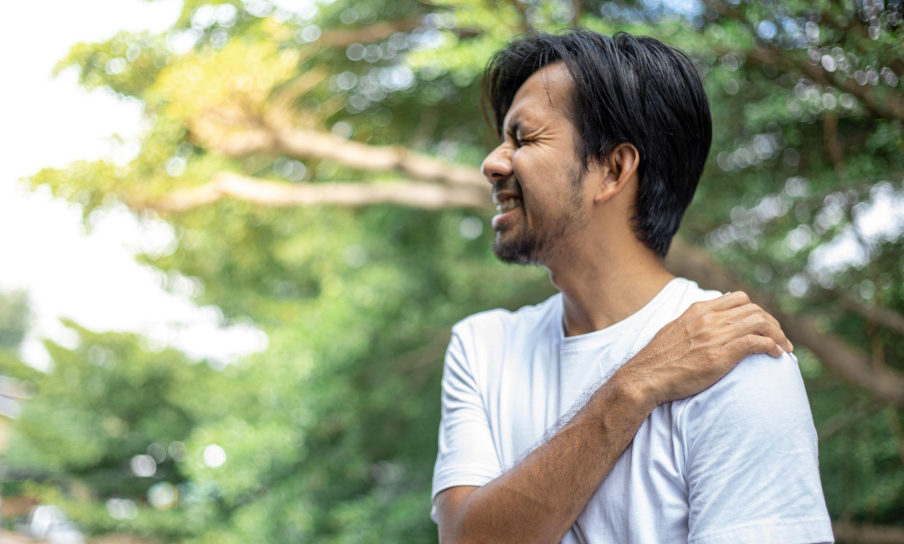
Shoulder conditions frequently progress through repeated overhead use, lifting, or gradual tissue wear. Rotator cuff tears, labral injuries, and chronic impingement can restrict range and reduce strength. Everyday tasks like dressing or reaching shelves may feel awkward or tiring.
An orthopaedic clinic in Singapore often evaluates shoulder pain when symptoms disrupt sleep or routine activity. Surgery enters consideration when mobility remains restricted despite structured care.
Spinal Conditions Affecting Nerves and Movement
Spinal conditions such as disc herniation or spinal narrowing can place pressure on nerves. Symptoms may include persistent back pain, numbness, or weakness affecting the arms or legs. Prolonged nerve compression can reduce function over time. In selected cases, orthopaedic surgery in Singapore helps relieve pressure and restore movement pathways when non-surgical methods no longer manage symptoms effectively.
Fractures That Affect Joint Alignment
Some fractures heal without surgery, yet injuries involving joint surfaces require closer attention. Misaligned healing can change how a joint moves, leading to long-term discomfort or reduced strength.
People may attend an orthopaedic clinic in Singapore after imaging shows alignment concerns. Surgical fixation supports proper healing and reduces the chance of future joint strain.
Chronic Tendon Conditions
Tendon conditions develop through repeated strain, reduced circulation, or gradual tissue degeneration. Common areas include the Achilles tendon, elbow, and shoulder. Pain may start mild, then become more persistent during activity. Surgery usually becomes relevant only after structured rehabilitation fails to restore function. The goal focuses on improving tendon structure and easing ongoing irritation.
Why Surgery Is Considered After Other Options
Orthopaedic surgery rarely stands alone. It usually follows a period of guided care that may include physiotherapy, medication, or activity changes. Surgery becomes relevant when symptoms remain consistent and daily life feels restricted. A clear assessment process helps determine timing and suitability, allowing people to make informed decisions without rushing.
Making Sense of the Surgical Pathway
Understanding why surgery enters the conversation helps reduce uncertainty while also clarifying next steps. Each condition carries different goals, recovery expectations, and planning considerations, which makes reliable guidance valuable for realistic preparation and smoother recovery. Contact Auspicium Orthopaedic Centre today to review movement concerns and receive guidance grounded in structured assessment and practical care planning before daily routines shrink further.