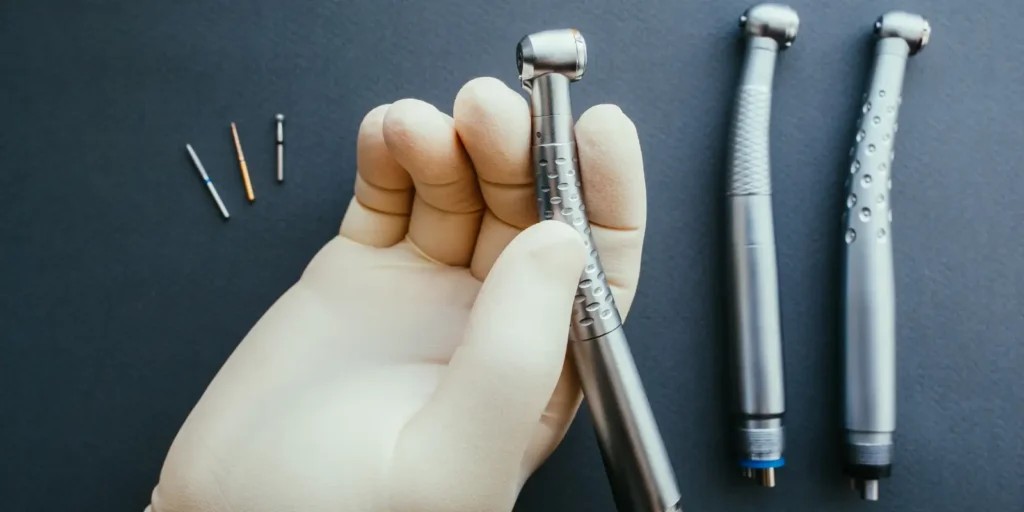
In modern dentistry, precision, efficiency, and patient comfort are non-negotiable. One of the most essential tools in achieving all three is the high speed dental handpiece. Often referred to as the “workhorse” of the dental clinic, this device plays a critical role in procedures ranging from cavity preparation to crown work and restorative treatments.
Selecting the right high speed dental handpiece for your practice isn’t just about brand preference—it directly impacts clinical performance, workflow efficiency, ergonomics, and even long-term practitioner health. With so many options available, understanding what to look for is key to making an informed investment.
What Is a High Speed Dental Handpiece?
A high speed dental handpiece is a precision rotary instrument used by dentists to cut, shape, and remove tooth structure. Operating at extremely high speeds—often exceeding 300,000 revolutions per minute—it allows for efficient and controlled dental procedures.
Most high speed handpieces use air-driven or electric systems and are designed to work with a variety of burs for different clinical applications.
Common uses include:
- Removing decay during cavity preparation
- Crown and bridge preparation
- Sectioning teeth for extraction
- Refining restorative margins
Because of its frequent use, the handpiece is one of the most important investments in any dental practice.
Why Choosing the Right Handpiece Matters
Not all handpieces are created equal. The right choice can significantly improve clinical outcomes and day-to-day efficiency, while the wrong one can lead to discomfort, maintenance issues, and inconsistent performance.
Key reasons selection matters include:
- Clinical precision:Better control leads to more accurate treatment outcomes
- Ergonomics:Reduces hand fatigue and long-term strain for practitioners
- Efficiency:Faster cutting and smoother operation improve workflow
- Patient comfort:Reduced noise and vibration enhance patient experience
- Durability:High-quality units reduce downtime and repair costs
Given how frequently handpieces are used, even small improvements in performance can have a big impact over time.
Key Factors to Consider When Choosing a High Speed Handpiece
1. Speed and Torque Performance
While all high speed handpieces operate at fast RPMs, performance is not just about speed. Torque consistency is equally important, especially when cutting through dense enamel or restorative materials.
Electric handpieces typically offer more consistent torque, while air-driven models are lighter and more common in general practice.
2. Ergonomics and Weight
Dentists often use handpieces for extended periods, so ergonomics play a major role in reducing fatigue.
Look for:
- Lightweight construction
- Balanced design
- Comfortable grip texture
- Reduced vibration during use
A well-balanced handpiece can significantly improve precision during delicate procedures.
3. Head Size and Access
The size of the handpiece head affects visibility and access within the oral cavity.
Smaller head designs are beneficial for:
- Posterior teeth access
- Minimally invasive procedures
- Improved visibility in tight spaces
However, smaller heads may sometimes sacrifice power, so it’s important to balance access with performance needs.
4. Spray and Cooling System
High speed procedures generate heat, making effective cooling essential to prevent damage to tooth structure.
Most modern handpieces feature:
- Single or multi-port water spray systems
- Air-water mist cooling for better coverage
- Adjustable spray patterns
A reliable cooling system improves both safety and patient comfort.
5. Noise and Vibration Levels
Patient anxiety is often triggered by the sound and sensation of dental equipment. Quieter, low-vibration handpieces can significantly improve the patient experience.
Electric handpieces tend to be quieter than air-driven models, making them a popular choice in patient-focused practices.
6. Maintenance and Sterilisation Requirements
Infection control is a critical consideration in any dental practice. The ability to easily clean and sterilise handpieces is essential.
Look for:
- Autoclavable designs
- Easy turbine replacement systems
- Simple maintenance procedures
- Reliable anti-retraction valves to prevent contamination
Reducing maintenance complexity also helps minimise downtime between patients.
7. Compatibility with Existing Systems
Before purchasing a new handpiece, it’s important to ensure compatibility with your current setup, including:
- Couplings and connectors
- Compressor output (for air-driven systems)
- Existing burs and accessories
Standardisation across your practice can also reduce costs and simplify training.
Air-Driven vs Electric High Speed Handpieces
One of the most important decisions is choosing between air-driven and electric systems.
Air-Driven Handpieces
These are the most commonly used in general dentistry.
Advantages:
- Lightweight and easy to handle
- Lower upfront cost
- Widely compatible with existing systems
- High-speed operation
Limitations:
- Less consistent torque
- Slightly noisier operation
- Performance can vary under load
Electric Handpieces
Electric systems are increasingly popular in advanced and restorative dentistry.
Advantages:
- Consistent torque across procedures
- Quieter and smoother operation
- Better control at lower speeds
- Ideal for precision work
Limitations:
- Higher initial investment
- Heavier handpieces (in some models)
- Requires compatible control units
How Technology Is Improving Modern Handpieces
Dental handpiece technology has evolved significantly in recent years, with manufacturers focusing on improving efficiency, comfort, and reliability.
Modern innovations include:
- Ceramic bearings for longer lifespan and smoother rotation
- LED illumination for improved visibility
- Anti-retraction systems for better infection control
- Noise-reduction engineering
- Lightweight composite materials
These advancements are helping practices improve both clinical outcomes and patient satisfaction.
Matching the Handpiece to Your Practice Needs
Different dental practices have different requirements. A general family practice may prioritise versatility and durability, while a cosmetic or specialist clinic may focus on precision and control.
When choosing a handpiece, consider:
- Volume of daily procedures
- Types of treatments performed
- Operator preference and comfort
- Budget and long-term maintenance costs
It’s often beneficial to trial different models before making a final decision.
Common Mistakes to Avoid
Choosing a high speed dental handpiece without proper consideration can lead to ongoing issues. Common mistakes include:
- Prioritising price over performance
- Ignoring ergonomic comfort
- Overlooking maintenance requirements
- Not checking system compatibility
- Choosing based on brand alone rather than clinical needs
A well-informed decision will always deliver better long-term value than a quick purchase.
Final Thoughts
The high speed dental handpiece is one of the most important tools in any dental practice, directly influencing clinical efficiency, precision, and patient experience. Choosing the right model requires careful consideration of performance, ergonomics, maintenance, and compatibility.
As dental technology continues to evolve, modern handpieces are becoming more advanced, reliable, and user-friendly than ever before. By investing in the right equipment for your specific practice needs, you can improve workflow efficiency, reduce practitioner fatigue, and deliver a higher standard of patient care.
In the long run, the right high speed dental handpiece isn’t just a tool—it’s a critical part of a well-performing dental practice.