Missing teeth affects more than just appearance. They influence how you chew, speak, and even how your jawbone maintains its strength over time. Modern dentistry offers several solutions for tooth loss, but one option stands out for its natural look and long term function. Dental implants are designed to replace missing teeth in a way that closely mimics natural tooth structure. Understanding how they work and why they are effective can help patients make informed decisions about their oral health.
Understanding Dental Implants
Dental implants are artificial tooth roots that are placed into the jawbone to support replacement teeth. Unlike removable options, implants are fixed securely in place, creating a stable foundation for chewing and speaking. They are designed to integrate with the bone, allowing them to function much like natural tooth roots.
The concept behind dental implants is simple yet highly effective. When a natural tooth is lost, the root that once stimulated the jawbone is also gone. Without that stimulation, bone loss can occur over time. Implants replace the missing root, helping maintain bone density and facial structure.
How Dental Implants Replace Teeth Naturally
One of the reasons implants are often described as a natural replacement is their ability to mimic both the look and function of real teeth. Once the implant is placed and healed, a custom crown is attached. This crown is shaped and colored to blend seamlessly with surrounding teeth.
From a functional standpoint, implants allow patients to bite and chew with confidence. They do not shift or move, which is common with removable solutions. This stability makes everyday activities like eating and speaking feel normal again.
The Structure of a Dental Implant
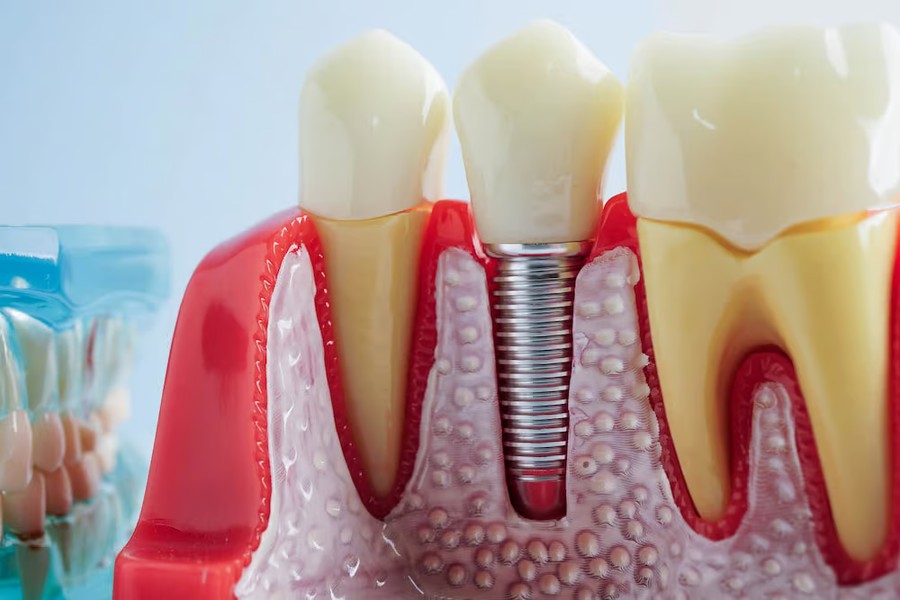
Dental implants consist of several key components working together. The implant post is placed into the jawbone and acts as the artificial root. Over time, the bone bonds with this post through a process known as osseointegration.
Once healing is complete, a connector piece is attached to the implant. This component allows the final tooth restoration to be securely placed. The visible portion of the implant is the crown, which resembles a natural tooth in shape and color.
Each part plays a critical role in ensuring durability and comfort. Together, they create a tooth replacement that feels and functions naturally.
The Dental Implant Procedure Explained
The process of receiving dental implants typically involves several stages. The first step is a thorough evaluation of oral health. This includes examining the gums, bone structure, and overall dental condition to determine if implants are a suitable option.
After planning, the implant post is surgically placed into the jawbone. This procedure is performed with precision to ensure proper positioning. Healing time varies, but it allows the bone to integrate with the implant securely.
Once healing is complete, the final restoration is placed. The result is a stable and natural looking replacement tooth that blends with the rest of the smile.
Why Jawbone Health Matters
Jawbone health is often overlooked when considering tooth replacement. However, it plays a major role in long term oral stability. When teeth are missing, the bone beneath them no longer receives stimulation. Over time, this can lead to bone shrinkage and changes in facial appearance.
Dental implants help prevent this process by providing stimulation similar to natural tooth roots. This makes them a valuable option for preserving bone structure and maintaining facial balance.
Benefits Beyond Appearance
While improved appearance is an obvious benefit, dental implants offer much more. They help restore proper bite alignment, which can reduce strain on surrounding teeth. This helps protect natural teeth from excessive wear.
Speech clarity can also improve. Missing teeth or unstable replacements can affect pronunciation. Implants stay firmly in place, allowing clear and confident speech.
In addition, implants are easy to care for. They can be brushed and flossed like natural teeth, making daily maintenance straightforward.
Dental Implants Compared to Other Options
Traditional tooth replacement options may rely on adjacent teeth for support or require removal for cleaning. These approaches can sometimes compromise healthy teeth or feel less secure.
Dental implants stand apart because they do not depend on neighboring teeth. Each implant functions independently, preserving surrounding tooth structure. This independence contributes to their longevity and natural feel.
Who Can Benefit From Dental Implants
Many adults with missing teeth are potential candidates for implants. Good overall health and adequate jawbone density are important factors. Even patients who have experienced bone loss may still qualify with additional procedures to support implant placement.
People seeking dental implants in Fargo, ND often look for a long term solution that restores confidence and comfort. Implants are suitable for replacing a single tooth, multiple teeth, or even supporting full arch restorations.
The Importance of Timely Tooth Replacement
Delaying tooth replacement can lead to additional oral health issues. Adjacent teeth may shift into empty spaces, affecting alignment and bite. Bone loss can also progress, making future treatment more complex.
By addressing tooth loss early, patients can reduce the risk of complications and preserve their natural oral structure.
Emergency Dental Situations and Tooth Loss
Tooth loss can sometimes occur unexpectedly due to trauma or severe infection. In these cases, seeking emergency dental Fargo services is essential. Prompt care can help manage pain, prevent infection, and determine the best path forward.
In some situations, early intervention may improve the chances of successful implant placement. Addressing emergencies quickly supports better long term outcomes.
Healing and Long Term Success
After implant placement, proper healing is essential. Following professional guidance during recovery helps ensure successful integration with the jawbone. Good oral hygiene and regular dental visits play a key role in maintaining implant health.
Dental implants are designed to last for many years. With proper care, they can provide a durable and reliable solution for missing teeth.
Maintaining Dental Implants Over Time
Caring for implants is similar to caring for natural teeth. Daily brushing and flossing help keep gums healthy and prevent plaque buildup. Regular dental checkups allow early detection of any potential issues.
Healthy gums are essential for implant stability. Maintaining good oral hygiene supports both comfort and longevity.
How Dental Implants Support Overall Wellness
Oral health is closely linked to overall wellbeing. Restoring missing teeth can improve nutrition by allowing patients to eat a balanced diet without discomfort. This supports better digestion and general health.
Confidence also plays a role in quality of life. A complete and natural looking smile can positively impact social interactions and self esteem.
Choosing a Natural Feeling Tooth Replacement
For those seeking a solution that looks, feels, and functions like natural teeth, dental implants are a strong option. Their ability to integrate with the jawbone and support realistic restorations sets them apart from other methods.
Patients exploring dental implants in Fargo, ND often appreciate the combination of durability, comfort, and natural appearance. Understanding the process and benefits helps individuals make informed choices about restoring their smiles.
Dental implants are a modern solution designed to replace missing teeth in the most natural way possible. By restoring both the visible tooth and the underlying root structure, they support long term oral health, function, and confidence. Whether addressing gradual tooth loss or responding to an urgent situation through emergency dental Fargo care, implants offer a reliable and lasting approach to rebuilding a healthy smile.