Key Highlights
- Moving from SPF 50 to SPF 100 offers only a marginal increase in protection percentage rather than doubling your safety.
- A greasy high-SPF cream often leads to under-application, whereas a comfortable formula ensures you apply the correct amount daily.
- High SPF only measures UVB protection, but ignoring UVA rays leaves skin vulnerable to premature ageing and long-term damage.
- In Singapore’s climate, sweat resistance and formulation stability matter more than a theoretical sun protection factor number on the bottle.
Introduction
We are trained almost all our lives to look at numbers. When you stand in the pharmacy aisle staring at rows of white bottles, your eyes naturally drift toward the highest number available. Logic suggests that SPF 100 must be twice as good as SPF 50. It feels like a safety net, especially in a city where the sun feels like a physical weight on your shoulders. However, this numerical race is often a marketing distraction rather than a scientific necessity.
Finding the best sunblock in Singapore is not about maximising a single digit; it is about understanding how ultraviolet radiation actually works and, more importantly, how human beings behave. A product that offers theoretical total blockage is useless if it feels like liquid chalk and slides off your face the moment you step out into the humidity.
The Myth of Linear Progression
The Sun Protection Factor (SPF) scale is deceptive because it is non-linear. SPF 30 blocks approximately 97% of UVB rays. SPF 50 blocks about 98%. That massive leap to SPF 100? It gets you to about 99%. You are chasing that final 1% of protection often at the cost of cosmetic elegance and skin breathability.
When you fixate solely on the highest number, you often inadvertently sacrifice the product’s usability. High-SPF formulations typically require higher concentrations of UV filters, which can make the texture thick, sticky, or prone to leaving a ghostly white cast. If the texture is unpleasant, you will naturally apply less of it. Dermatologists agree that a lower SPF applied generously and frequently offers far superior protection than a high SPF applied thinly.
The Missing Half of the Equation: UVA
SPF only measures protection against UVB rays—the burning rays. It tells you nothing about UVA rays—the ageing rays. UVA rays penetrate deeper into the skin, destroying collagen and causing the wrinkles and pigmentation that we associate with getting older. In Singapore, where the sun is relentless year-round, UVA protection is critical.
A sunscreen with SPF 100 but low UVA protection is like wearing a bulletproof vest that covers only your chest but leaves your back exposed. You need to look for “Broad Spectrum” labelling or the PA rating system (look for PA++++). The best sunblock in Singapore balances high UVB defence with equally robust UVA protection, ensuring you are shielded from both immediate sunburn and long-term cellular damage.
ALSO READ: SPF, PA, and Ingredients: How to Read Labels and Find the Best Sunblock in Singapore
The Humidity Factor
Singapore poses a unique challenge that European or American formulations often fail to address: the humidity. You can have the highest protection rating in the world, but if the formulation is not designed to bond with the skin in a tropical climate, it will migrate. Sweat breaks down the film that sunscreen forms on your skin.
Heavy, high-SPF creams often trap heat and sweat, leading to clogged pores and “sunscreen slide.” A formula designed for our climate might have a modest SPF 50 but features advanced polymers that grip the skin even when you perspire. This durability is far more valuable than a higher number on a bottle that melts away during your lunch break. The effectiveness of a sunscreen is defined by its ability to stay put, not just its ability to screen rays in a controlled lab environment.
Application Habits Beat Lab Results
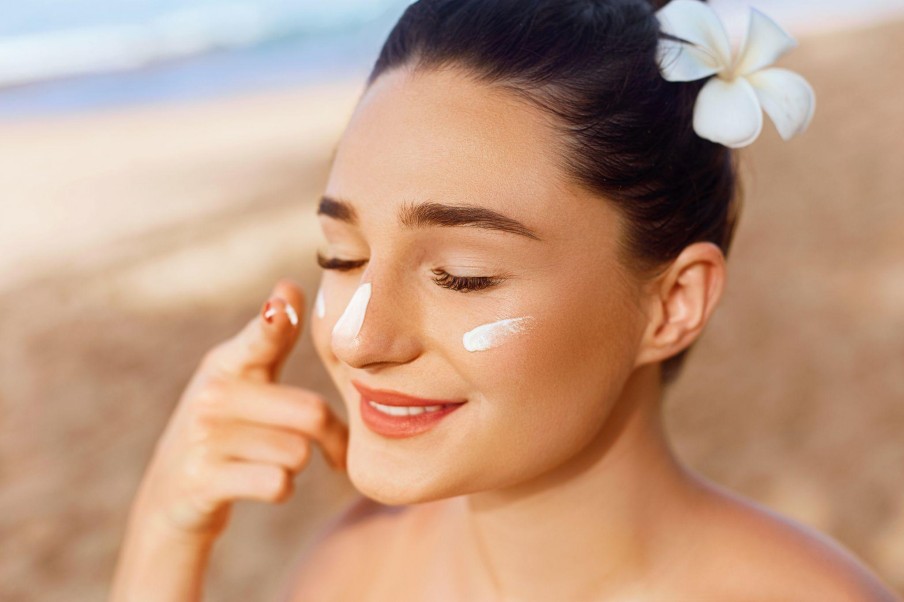
The ultimate test of a sunscreen is whether you actually use it. The best product is the one you enjoy wearing. If a product feels lightweight, absorbs quickly, and sits well under makeup, you are more likely to apply the recommended two fingers’ worth every morning.
When people buy SPF 100, they often fall into a false sense of security. They assume they can apply it once in the morning and stay protected all day. This is dangerous. All sunscreens degrade over time and must be reapplied. A user who reapplies an SPF 30 lotion every two hours is significantly safer than a user who applies SPF 100 once at 8 AM.
Conclusion
Stop letting the marketing numbers dictate your safety. The search for the ideal protection involves finding a balance between adequate broad-spectrum coverage, sweat resistance, and a texture that fits your lifestyle. It is about consistency, not just intensity.
Visit TrendSetters for expert insights that cut through the marketing noise and deliver practical beauty wisdom you can actually use in Singapore’s demanding climate.