Key Highlights
- Practitioners analyse tongue coating and pulse rhythm to identify internal imbalances before touching a single needle.
- You might feel a dull ache or heaviness known as De Qi rather than the sharp pain associated with injections.
- Most sessions involve heat lamps and a quiet atmosphere to facilitate the flow of energy during the 20 to 30-minute retention period.
- Mild fatigue often follows a session as the body recalibrates energy levels, so hydration is essential.
Introduction
Walking into a clinic for the first time creates a specific type of nervousness. You likely have questions about pain, hygiene, and effectiveness, and this is normal. The popularity of TCM in Tampines has grown significantly as residents seek alternatives to Western painkillers. Yet the mystery surrounding the actual process remains. Understanding the steps removes the fear. You gain control over your health journey when you know exactly what happens behind the treatment room door.
The Initial Consultation
Your session does not begin with needles. It begins with an investigation. A practitioner needs to map their internal landscape. They will ask detailed questions about your sleep, digestion, and stress levels. These inquiries might seem unrelated to your back pain or migraine. In Traditional Chinese Medicine, everything connects.
The practitioner will examine your tongue. They look at the colour, shape, and coating. This reveals the state of your digestive system and blood circulation. They will also take your pulse on both wrists. This is not just to count the beats. They assess the quality and depth of the pulse to gauge the strength of your Qi or vital energy. This diagnostic phase ensures the TCM acupuncture protocol targets the root cause rather than just the symptoms.
Preparation and Positioning
Once the diagnosis is complete, you move to the treatment bed. You might need to adjust your clothing. Loose garments are best. The practitioner needs access to specific meridian points. These points often lie on the arms, legs, back, or abdomen.
The environment is distinct from a hospital. It is quieter. The lighting is often softer. The goal is to lower your cortisol levels before the treatment begins. You settle into a comfortable position. Pillows support your limbs. Muscle tension resists the needles, so relaxation is a functional part of the procedure.
The Insertion Process
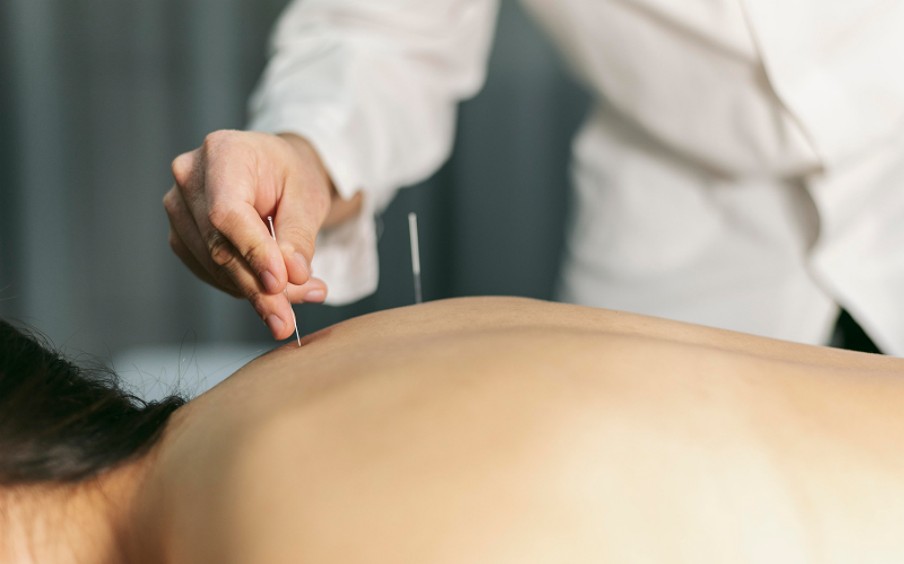
The needles are not what you expect. They are hair-thin and flexible. They differ completely from the hypodermic needles used for vaccines or blood tests. You might feel a tiny mosquito bite sensation upon insertion. Often, you feel nothing at all.
The practitioner inserts them quickly. They might manipulate the needle slightly once it is in place. They are looking for De Qi. This translates to the arrival of energy. You experience this as a dull ache, a heaviness, or a slight tingling. It travels along the meridian channel. This sensation confirms that the point is active. It is a positive sign. If you feel sharp or stinging pain, tell the practitioner immediately. That is not the intended result.
The Retention Period
You lie still once the needles are in place. The retention time typically lasts between 20 and 30 minutes. This is where the work happens. Your body communicates with the points. Circulation improves. Endorphins release.
Practitioners often use heat lamps. These lamps warm specific areas to encourage blood flow. The warmth is soothing. Many patients fall asleep during this phase. It becomes a period of forced rest in a busy schedule. The practitioner leaves the room but remains accessible. You are not trapped. You simply rest while the treatment rebalances your energy flow.
Removal and Immediate Aftermath
The removal process for TCM acupuncture is usually swift and painless. You rarely see blood. The needles are extremely fine and displace tissue rather than cutting it. You sit up slowly. Do not rush. Your body has just undergone an energetic shift. Standing up too quickly can cause light-headedness.
You might feel a sense of euphoria or deep relaxation. Some patients describe it as “acupuncture drunk”. It is a state of calm clarity. Others feel a sudden rush of energy. Both reactions are valid. The practitioner will offer specific advice based on your constitution. This might include dietary changes or lifestyle adjustments to support the treatment.
Managing Post-Session Symptoms
The effects continue after you leave the clinic. You might notice changes in your digestion or sleep patterns that night. Mild fatigue is common. Your body is allocating resources to heal. Do not plan a high-intensity workout immediately after your session.
Hydration is non-negotiable. Water helps flush out toxins released during the treatment. Keep the treated areas warm. Avoid blasting air conditioning directly on your neck or back. The channels are open and vulnerable to cold wind. Listen to your body. If you feel tired, sleep. If you feel hungry, eat light, warm foods. The success of the therapy depends on how well you nurture yourself in the hours following the appointment.
Conclusion
Your first foray into acupuncture is often more about overcoming mental resistance than enduring physical discomfort. The anticipation of the needle usually outweighs the reality of the sensation. View this not as a passive procedure but as a physiological reset button. You are engaging in a proven dialogue with your own nervous system. Once the initial mystery dissipates, you are left with a powerful, drug-free tool for managing your long-term health.
Contact Liang Yi TCM today to schedule a comprehensive consultation and discover the restorative power of a tailored TCM treatment in Singapore.