Key Takeaways
- Staying on the same facial treatment for too long can lead to diminishing results rather than better skin health.
- Switching skin treatments addresses changing skin conditions, while upgrading targets deeper or persistent concerns.
- Skin treatments in Singapore should follow a structured progression, not impulse decisions based on trends or promotions.
- Timing matters—both premature upgrades and delayed switches can create unnecessary skin stress.
Many people assume that consistency means sticking to the same facial treatment indefinitely. In practice, skin does not remain static. Climate exposure, ageing, stress levels, and lifestyle changes continuously affect how skin behaves and responds to treatment. Knowing how often to switch or upgrade skin treatments is less about fixed timelines and more about understanding treatment purpose, skin response, and treatment depth.
Considering the context of skin treatments in Singapore, where humidity, pollution, and sun exposure are constant variables, rigid treatment routines often fail to deliver sustained results. This is why even commonly scheduled skin or facial treatments need periodic reassessment to remain effective rather than becoming routine maintenance with diminishing returns.
When You Should Switch Skin Treatments
Switching refers to changing treatment types within the same level of intensity, most commonly between different forms of facial treatment. This approach does not mean moving to more aggressive procedures, but rather adjusting techniques, ingredients, or focus areas.
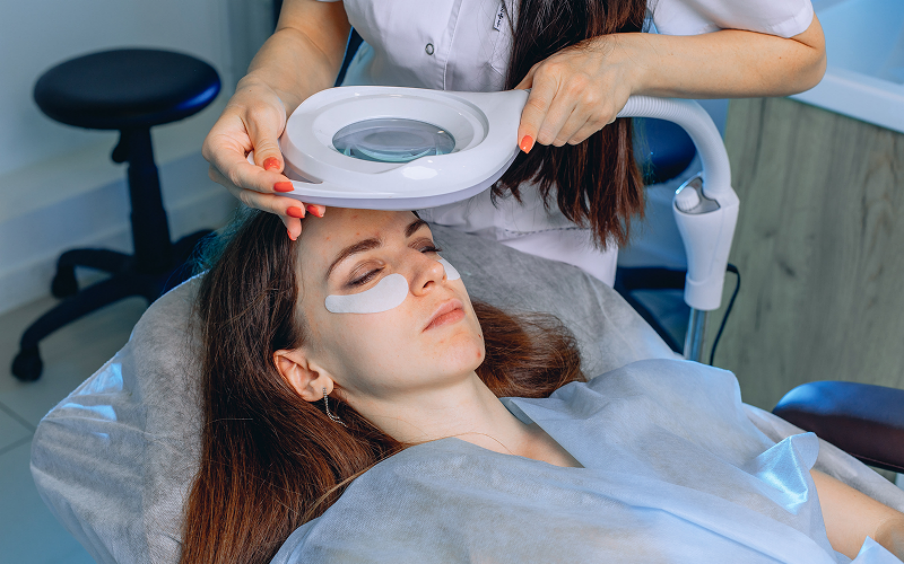
A facial treatment is typically designed to support surface-level skin functions such as cleansing, hydration, barrier repair, and circulation. Treatments like hydration-focused protocols or a detox facial are intended to improve skin clarity and comfort, but over time, repeating the exact same protocol may stop delivering visible improvements because the skin has adapted. This plateau often appears as dullness returning faster, congestion recurring between sessions, or hydration effects wearing off within days.
Switching is appropriate when skin concerns change rather than worsen. For example, seasonal shifts can alter oil production and sensitivity levels. Stress, travel, or hormonal changes can also temporarily affect skin balance. Rotating between different facial treatment approaches—such as hydration-focused, calming, clarifying protocols, or another form of detox facial—helps maintain skin responsiveness in these situations without increasing treatment intensity.
As a general guideline, many professionals reassess facial treatment suitability every six to eight weeks. This timeline does not require constant change, but it does require evaluation. Continuing the same facial treatment without review often leads to maintenance without progression even when clients regularly schedule skin or facial treatments.
When You Should Upgrade Skin Treatments
Upgrading means moving to treatments that work at a deeper structural level. This selection includes energy-based procedures, collagen-stimulating techniques, or corrective skin treatments that go beyond surface maintenance. An upgrade is not a reward for patience, nor should it be rushed due to impatience.
Upgrading becomes necessary when concerns persist despite consistent facial treatment. Issues such as uneven skin tone, textural irregularities, recurring pigmentation, or early signs of laxity typically do not resolve with surface-level care alone. Continuing standard facials, in these cases, may maintain comfort but will not drive meaningful change.
Upgrades are often considered prematurely due to aggressive marketing or social media trends in the city-state. However, responsible progression depends on skin readiness. Skin that is frequently irritated, compromised, or inflamed is not suitable for advanced treatments, regardless of concern severity. Proper preparation through stabilising facial treatment routines is essential before upgrading.
Upgrades, for most individuals, are considered after several months of consistent maintenance, once baseline skin health is stable. The decision should be based on response data, not treatment frequency. Faster is not better; appropriate is.
Balancing Switching and Upgrading Over Time
Switching and upgrading are not opposing strategies. They serve different purposes within a long-term skin plan. Switching maintains adaptability and prevents stagnation, while upgrading addresses structural limitations of basic care.
Effective treatment planning involves periodic reassessment rather than fixed schedules. Skin treatments in Singapore work best when they respond to the environment, age, and lifestyle rather than habit. The goal is not constant change, but intentional progression supported by evidence from the skin itself.
Knowing when to switch and when to upgrade prevents overtreatment, reduces unnecessary cost, and supports sustainable skin health rather than short-lived results.
Contact 21st Century Beauty Spa and clarify whether your skin needs a switch, an upgrade, or simply a reset.