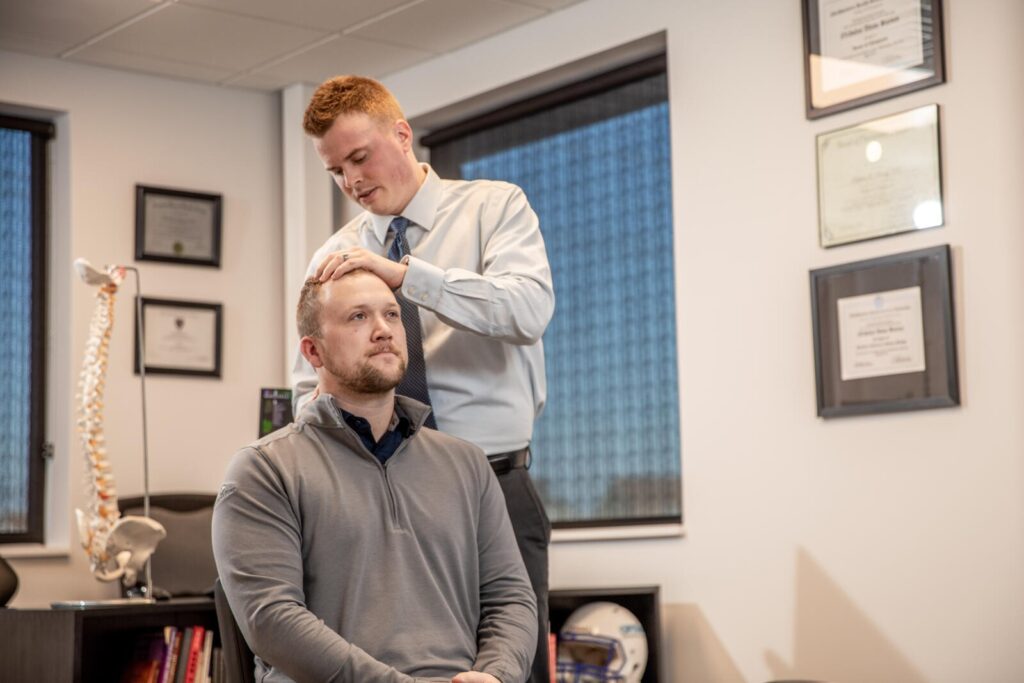
Neck pain can quietly take control of daily life. Simple tasks like turning your head while driving, working at a computer, or even sleeping comfortably can become difficult. For some individuals, persistent discomfort leads to discussions about injections or even surgery. While surgical care has its place in certain severe cases, many people can find meaningful relief through conservative treatment.
A structured, evidence informed approach from a qualified chiropractor may help restore function, reduce pain, and potentially prevent the need for invasive procedures. Understanding how chiropractic care works empowers patients to explore safe and effective alternatives before considering surgery.
Understanding the True Cause of Neck Pain
The neck, also known as the cervical spine, is a complex structure of vertebrae, discs, joints, muscles, and nerves. It supports the head and protects the spinal cord while allowing a wide range of motion.
Neck pain can develop from several underlying causes:
- Poor posture
• Repetitive strain from screen use
• Whiplash injuries
• Degenerative disc changes
• Joint dysfunction
• Muscle imbalances
• Herniated or bulging discs
Many of these conditions respond well to conservative care. Surgery is typically recommended only when there is significant nerve compression, spinal instability, or progressive neurological symptoms. For the majority of patients, early intervention with a neck pain chiropractor Fargo residents trust can help address dysfunction before it escalates.
Why Surgery Is Not Always the First Answer
Surgery may be necessary in cases of severe trauma, spinal fractures, or advanced nerve damage. However, many neck conditions are mechanical in nature. They stem from restricted joint movement, muscle tension, and postural strain rather than structural failure.
Surgical procedures carry inherent risks, including infection, scar tissue formation, limited mobility, and extended recovery time. Conservative care aims to reduce inflammation, improve spinal mechanics, and support natural healing before invasive measures are considered.
Clinical guidelines often recommend non surgical treatment as a first line strategy for chronic neck pain. Chiropractic care fits squarely within this framework.
How Chiropractic Care Addresses Neck Dysfunction
Chiropractic treatment focuses on restoring normal joint motion and optimizing nervous system function. A chiropractor evaluates spinal alignment, muscle balance, posture, and movement patterns.
Treatment may include:
- Specific spinal adjustments
• Gentle mobilization techniques
• Soft tissue therapy
• Corrective exercises
• Postural retraining
Spinal adjustments involve precise movements applied to restricted joints. When a joint regains proper motion, surrounding muscles relax and nerve irritation may decrease. This can significantly reduce pain and improve mobility.
Soft tissue therapy addresses tight or inflamed muscles that contribute to discomfort. Combined with targeted strengthening exercises, this approach promotes long term stability.
Reducing Pressure on Nerves Without Surgery
One of the most common reasons patients consider surgery is nerve compression. Symptoms such as radiating pain, numbness, tingling, or weakness in the arms can be alarming.
In many cases, nerve irritation results from inflammation, joint restriction, or disc bulging rather than severe structural damage. A skilled neck pain chiropractor Fargo patients rely on can implement techniques designed to reduce mechanical pressure on nerves.
These may include:
- Cervical traction
• Spinal decompression methods
• Postural correction strategies
• Targeted rehabilitation exercises
Improving spinal alignment and reducing inflammation often relieves nerve related symptoms without the need for surgical intervention.
The Role of Posture in Preventing Surgery
Modern lifestyles contribute significantly to chronic neck pain. Forward head posture from prolonged phone and computer use increases stress on the cervical spine. Over time, this can accelerate degenerative changes.
Chiropractors frequently educate patients on posture correction. Small adjustments in workstation setup, screen height, and sitting mechanics can dramatically reduce daily strain.
Strengthening deep neck stabilizing muscles and upper back muscles creates a supportive framework for the spine. When posture improves, pain often decreases naturally.
This proactive strategy helps prevent worsening conditions that might otherwise lead to surgical consultation.
Comprehensive Joint Health Matters
Neck pain rarely exists in isolation. The body functions as an interconnected system. Dysfunction in the shoulders, upper back, or even the lower spine can influence cervical mechanics.
A joint pain chiropractor Fargo residents consult may assess the entire kinetic chain rather than focusing solely on the neck. Addressing shoulder restrictions, thoracic stiffness, and core weakness improves overall spinal balance.
When joints move properly and muscles function efficiently, stress on the cervical spine decreases. This comprehensive perspective reduces the likelihood of progressive degeneration that might necessitate surgical correction.
Early Intervention Is Key
One of the strongest predictors of surgical avoidance is early intervention. When neck pain is ignored for months or years, compensatory patterns develop. Muscles tighten, joints stiffen, and inflammation becomes chronic.
Seeking care promptly allows chiropractors to correct small dysfunctions before they escalate. Conservative treatment during early stages often leads to faster recovery and better outcomes.
Patients who wait until symptoms become severe may face more complex treatment paths. Acting early supports natural healing and may eliminate the need for invasive procedures.
What to Expect During Chiropractic Care
For individuals exploring non surgical options, the first appointment typically includes:
- Comprehensive health history
• Physical and neurological examination
• Postural and movement analysis
• Imaging review if available
• Discussion of goals and expectations
A personalized care plan follows. Treatment frequency varies depending on severity, duration of symptoms, and individual response.
Many patients notice gradual improvements in range of motion and pain levels within several visits. Chronic conditions may require structured rehabilitation over several weeks or months.
Consistency is critical. Chiropractic care works best when combined with patient participation through exercises, posture awareness, and lifestyle modifications.
Evidence Supporting Conservative Care
Research supports the effectiveness of spinal manipulation and manual therapy for certain types of neck pain. Clinical studies demonstrate improvements in pain scores, functional capacity, and patient satisfaction with conservative treatment.
Professional guidelines often recommend manual therapy, therapeutic exercise, and patient education before considering surgical referral in non emergency cases.
While not every patient can avoid surgery, many experience sufficient improvement to postpone or eliminate the need entirely.
Lifestyle Changes That Strengthen Results
Chiropractic care is most effective when paired with healthy habits. Patients can enhance outcomes by focusing on:
- Regular movement breaks during work
• Ergonomic workstation adjustments
• Stress management techniques
• Proper hydration
• Adequate sleep
These foundational elements support tissue healing and reduce inflammation. Over time, consistent habits build resilience within the musculoskeletal system.
When patients commit to long term wellness rather than quick fixes, the probability of surgical intervention decreases.
When Surgery May Still Be Necessary
It is important to recognize that chiropractic care is not a replacement for emergency medical treatment. Severe trauma, spinal instability, fractures, infections, or progressive neurological deficits require immediate medical evaluation.
A responsible chiropractor will refer patients to appropriate specialists if red flags appear. Collaborative care ensures patient safety remains the highest priority.
However, for the majority of mechanical neck pain cases, conservative management remains a safe and logical first step.
A Proactive Approach to Avoiding Surgery
Neck pain does not automatically mean surgery is inevitable. Many conditions improve when underlying mechanical dysfunction is addressed early and consistently.
Working with a qualified neck pain chiropractor that Fargo residents recommend can help restore alignment, improve joint mobility, reduce nerve irritation, and strengthen supportive muscles. When combined with comprehensive care from a joint pain chiropractor Fargo community members trust, patients receive a whole body approach that promotes lasting results.
Choosing conservative care empowers individuals to take an active role in recovery. By correcting posture, strengthening stabilizing muscles, and improving spinal mechanics, it is often possible to reduce pain naturally and avoid invasive procedures.
If neck discomfort is affecting your quality of life, consider exploring non surgical options first. A structured, personalized chiropractic plan may provide the relief you seek while preserving mobility and supporting long term spinal health.