Key Takeaways
- Cervical disc replacement usually enters discussion after conservative care no longer resolves symptoms.
- The recommendation reflects concern about motion preservation rather than pain alone.
- Not all neck conditions qualify, making patient selection a critical factor.
- The decision shifts focus from stopping symptoms to maintaining long-term function.
Cervical disc replacement usually enters the conversation only after surgery has already been raised as a possibility, rather than at the start of care, which often catches patients off guard. When a spine surgeon in Singapore introduces it as an option, many realise they had assumed all neck surgeries pursued the same goal, without considering how differently they affect movement and recovery. Attention shifts to how much motion can be preserved, how daily activities will feel during rehabilitation, and how the spine may wear over time. The decision moves away from simply asking whether surgery is necessary and towards understanding what kind of function the procedure is intended to protect.
1. When Neck Pain Stops Responding to Conservative Care
The conversation around cervical disc replacement usually begins once non-surgical treatments no longer provide consistent relief, as physiotherapy, medication, or activity modification may ease symptoms temporarily but fail to hold once daily routines resume. When pain, stiffness, or nerve symptoms continue interrupting sleep, work, or concentration despite these efforts, the focus shifts away from short-term symptom control. Surgery then enters consideration not because discomfort is present, but because day-to-day function can no longer be stabilised through conservative care alone.
2. Why Motion Preservation Becomes a Priority
Many patients assume all neck surgeries limit movement, which is why cervical disc replacement often feels unexpected when it is first discussed. Unlike fusion, the procedure focuses on preserving motion at the affected level rather than removing it, shifting how outcomes are measured. This distinction becomes especially relevant for individuals who depend on neck mobility for work, driving, or everyday comfort, where stiffness carries practical consequences. A spine surgeon, therefore, evaluates whether maintaining movement can reduce strain on neighbouring discs over time, placing long-term spinal mechanics alongside pain relief in the decision.
3. How Disc Condition Affects Suitability
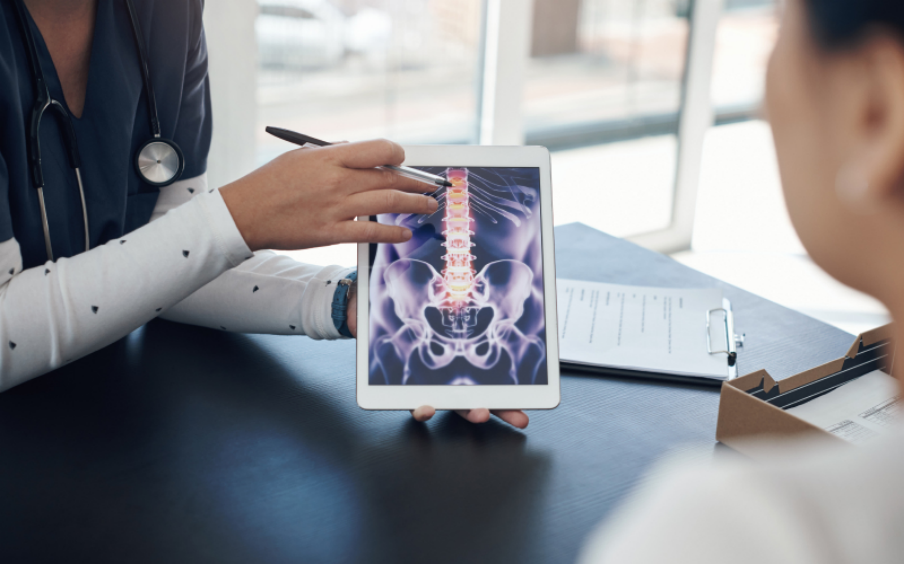
Cervical disc replacement is not suitable for every type of neck degeneration, which often becomes apparent only after surgery has already entered the discussion. Factors such as disc height, spinal alignment, segment stability, and existing arthritis shape whether the disc can be replaced without introducing new mechanical risks. Imaging results, therefore, do more than confirm the source of symptoms, as they reveal whether surrounding structures can support a mobile implant safely. For this reason, the recommendation depends as much on structural feasibility as on how severe the symptoms feel, making detailed assessment a necessary step rather than a formality.
4. Considering Recovery Beyond Pain Reduction
Recovery expectations shift once cervical disc replacement becomes the focus, because timelines start competing with everyday demands such as returning to work, driving comfortably, and resuming routine movement. Rather than centring recovery on rest and immobilisation, the process emphasises controlled motion and gradual reintegration into daily activity, which can feel unfamiliar to patients expecting restriction to signal healing. This difference matters, as progress is measured through stability and confidence in movement rather than the absence of pain alone. Recognising this shift helps align expectations with how recovery unfolds in real life, where function returns incrementally rather than through a single turning point.
5. Weighing Long-Term Spine Mechanics
One reason a spine surgeon in Singapore may recommend cervical disc replacement lies in how the spine is expected to behave years after surgery, particularly once daily movement resumes. Preserving motion at the treated level can reduce the load transferred to neighbouring discs, which may otherwise compensate for lost mobility. This long-term consideration carries more weight for younger or physically active individuals whose spines will continue adapting under regular use. In this context, the recommendation reflects planning for future mechanics and durability rather than focusing only on present discomfort.
6. Recognising When the Decision Becomes Functional
The final turning point often comes when patients realise the decision is no longer centred on removing pain alone, as daily reliability, ease of movement, and confidence in routine activity start shaping priorities more clearly. When symptoms continue to interfere despite adaptation, cervical disc replacement enters the discussion because maintaining function begins to matter more than simply tolerating discomfort. At this stage, surgery shifts away from urgency-driven relief and toward preserving the quality of movement that supports everyday life over the long term.
Conclusion
Cervical disc replacement is recommended when the question shifts from whether the neck can cope to how it should function in the years ahead. What distinguishes this moment is not pain intensity, but the recognition that adaptation has limits and compensation carries long-term cost. Patients often reach this stage after realising that stability without movement is no longer enough. The recommendation reflects a boundary where preserving motion becomes as critical as resolving symptoms.
Contact Achieve Spine And Orthopaedic Centre to inquire about cervical disc replacement.